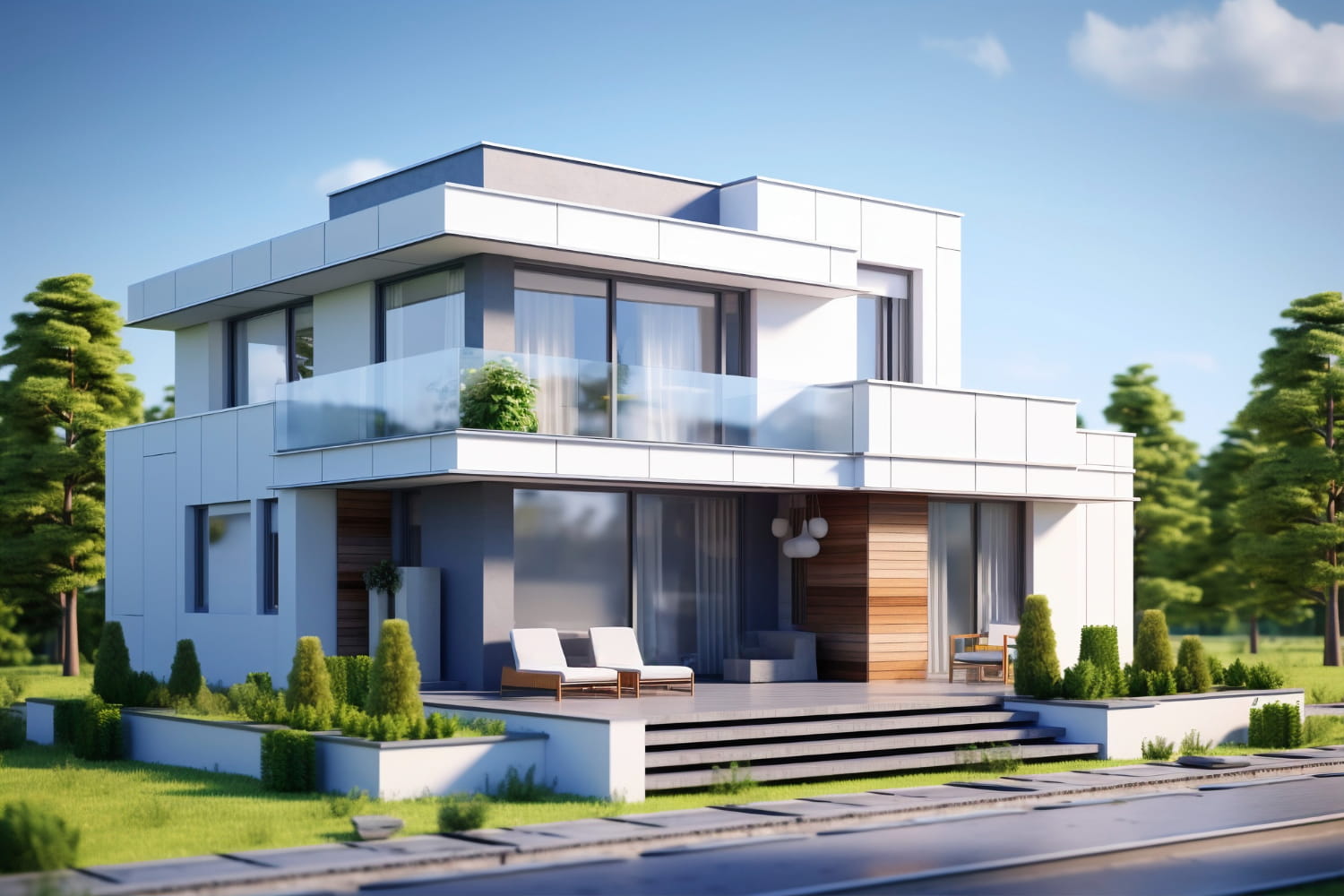
When most folks hear real estate development, they picture skyscrapers, luxury condos, and men in suits holding blueprints. But honestly? It’s not always glamorous. Sometimes it’s a dusty lot, a lot of “hurry up and wait” with councils, and endless conversations about drainage or zoning. Still, there’s a reason so many people want in: done right, it can change whole neighborhoods—and your bank account.
It’s Not Just Building Houses
A common mistake is thinking developers are just builders. Nope. Development is way broader. It’s about taking a raw piece of land (or even an old building that’s falling apart) and transforming it into something valuable. That could be a retail strip, a set of townhouses, or even a public park project that lifts the area.
You’re not just working with architects and builders—you’re dealing with banks, councils, community groups, and sometimes angry neighbors who really don’t want another apartment block next to their backyard.
Where the Money Is (And Isn’t)
Yes, development has big upside. Buy land at the right price, manage construction costs smartly, and the return can be massive. But here’s the part Instagram gurus don’t tell you: it’s also risky. Markets shift. Interest rates rise. A project can get stuck in planning purgatory for years. I’ve seen people sink cash into a subdivision only to find demand dried up before the lots even hit the market.
That said, if you’re strategic—choosing locations with growth potential, building what the community actually needs—you’re stacking the odds in your favor. For example, family-friendly suburbs with schools nearby? Duplexes or townhouses tend to fly off the market. Inner-city zones with younger buyers? Mixed-use apartments with cafes downstairs make sense.
It’s Also About Vision
Here’s the part I love: real estate development isn’t just dollars and dirt. It’s storytelling. You’re looking at a blank block and imagining what it could be. Then you convince banks, builders, and buyers that your vision makes sense. Done right, you can literally change how people live their daily lives—where they shop, who they meet, how their kids grow up. That’s impact.
A Few Lessons From the Trenches
- Start small: Forget the skyscraper dream at first. A dual-occupancy build or townhouse split teaches you the ropes without wiping you out financially.
- Know the rules: Councils are strict. Misjudge zoning or parking requirements, and you’re in for months of delays.
- Cash flow is king: Budget for blowouts. Always. Materials, labor, interest—everything creeps higher than you expect.
- Talk to locals: A five-minute chat with nearby residents often gives you more insight than any feasibility report.
Wrapping Up
Real estate development isn’t easy, and it’s not quick. But if you’re patient, resourceful, and willing to juggle risks, it can be rewarding on so many levels. It’s building wealth, yes—but it’s also shaping communities. And if you can stomach the stress, that’s a pretty powerful legacy to leave behind.